Durable Generator Setup Insights
Standby Generators: The Dependable Answer for Constant Energy Flow
Standby generators are an important shield from electricity outages. The generators work flawlessly, activating within seconds after a power loss. Powered by different energy types, they make certain facilities stay running during emergencies. However, grasping their utility and characteristics is essential for making an informed decision. What aspects should one consider prior to purchasing a generator like this? The following sections will explore these crucial elements.
The Mechanics of Backup Power: The Functionality
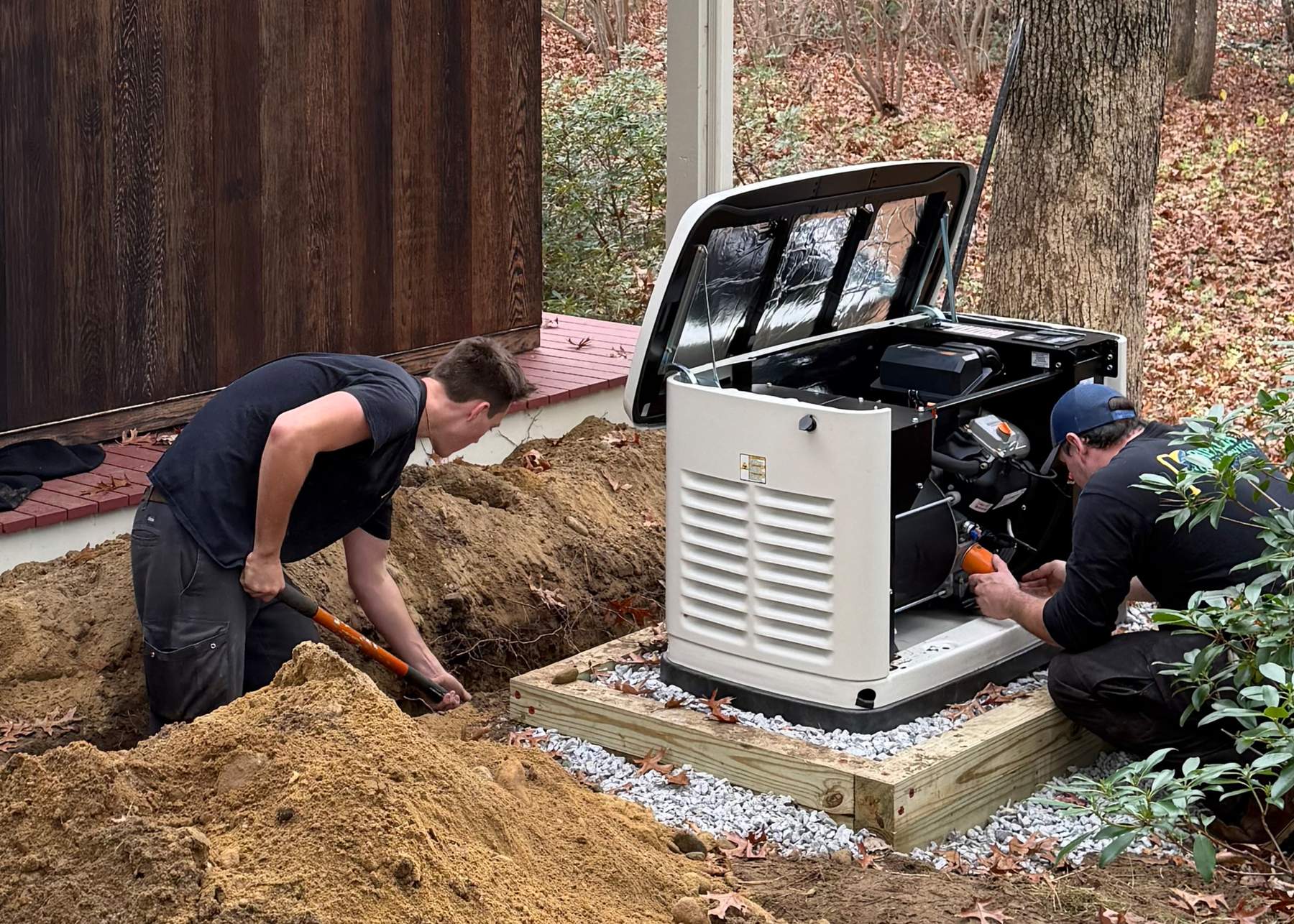
Backup generators are critical units that provide automatic backup power during power losses. Generators are often sited outside the structure, linked to the main wiring and powered by diesel, propane, or natural gas. Should the power fail, the system recognizes the lack of power and starts up instantly. This mechanism requires an automatic transfer switch, which separates the building from the main supply and connects it to the generator
(Portland Standby Generators)The unit subsequently generates power, supplying power to essential circuits or the whole building, depending on its capacity. The majority of backup systems include an internal tracking mechanism which ensures correct operation and maintenance. They can operate for extended periods, providing a reliable power source until the main grid is back online. Understanding the mechanics behind standby generators helps homeowners appreciate their role in improving power reliability and reducing interruptions in the event of unforeseen blackouts
Advantages of Owning a Backup System
Dependability is a major benefit when putting in a backup system, because it provides constant power during blackouts. This vital function guarantees that homes and businesses remain operational, securing critical items and maintaining comfort. Furthermore, backup systems boost security through the avoidance of electricity loss that could lead to hazardous situations, such as pipe damage or critical device shutdowns.
Cost-effectiveness is a key positive aspect; while the upfront cost may be high, the future financial benefits from preventing food waste, disrupted workflow, and unexpected fixes can be remarkable. Moreover, standby generators boost the home's worth, positioning them as an attractive feature for prospective purchasers.
Ease of operation is a key factor, as such systems automatically activate during an outage, doing away with the requirement for hands-on operation. This seamless operation enables homeowners to keep up their normal schedules without disruption. In conclusion, setting up a standby system provides security, assuring that power is constantly supplied when critical.
Essential Characteristics to Seek in a Backup Power System
When selecting a standby generator, a few vital attributes must be evaluated to ensure optimal operation and appropriateness for individual requirements. To begin with, the power output is vital; prospective owners must figure out the needed capacity to power necessary systems during an outage. Furthermore, the type of fuel—whether NG, LP, or diesel—affects efficiency and running expenses.
An additional key element is the automatic transfer mechanism, which allows for effortless switching and improves security. Durability and build quality also matter; a well-built system can withstand harsh weather conditions.
In addition, how loud it is needs evaluation, as less noisy generators are ideal for residential areas. A few units provide self-starting features, providing convenience during unexpected outages. To conclude, guarantee and maintenance plans should be reviewed, providing reliable support and maintenance. Through assessing these characteristics, potential purchasers can select a standby generator that meets their unique power needs successfully.
Elements to Evaluate Before Purchase
Before deciding on a standby generator, potential buyers should carefully evaluate multiple critical elements to guarantee they make an well-considered conclusion. Portland Standby Generators. First, they must evaluate their energy requirements by estimating the needed power to run important appliances during an outage. Next, the fuel type is vital; options include natural gas, propane, or diesel, all having distinct benefits and availability considerations
Moreover, customers need to examine the generator's transfer switch, which ensures easy power switching. Installation requirements are also important, as some generators could demand professional installation or permit acquisition
Warranty and service options deserve close attention, because they influence how satisfied you are in the long run. To conclude, potential buyers should evaluate the generator's noise levels, especially if they live in populated neighborhoods. By examining these factors, buyers are able to choose a backup power unit that perfectly suits their specific needs and preferences
How to Maintain Your Standby Generator
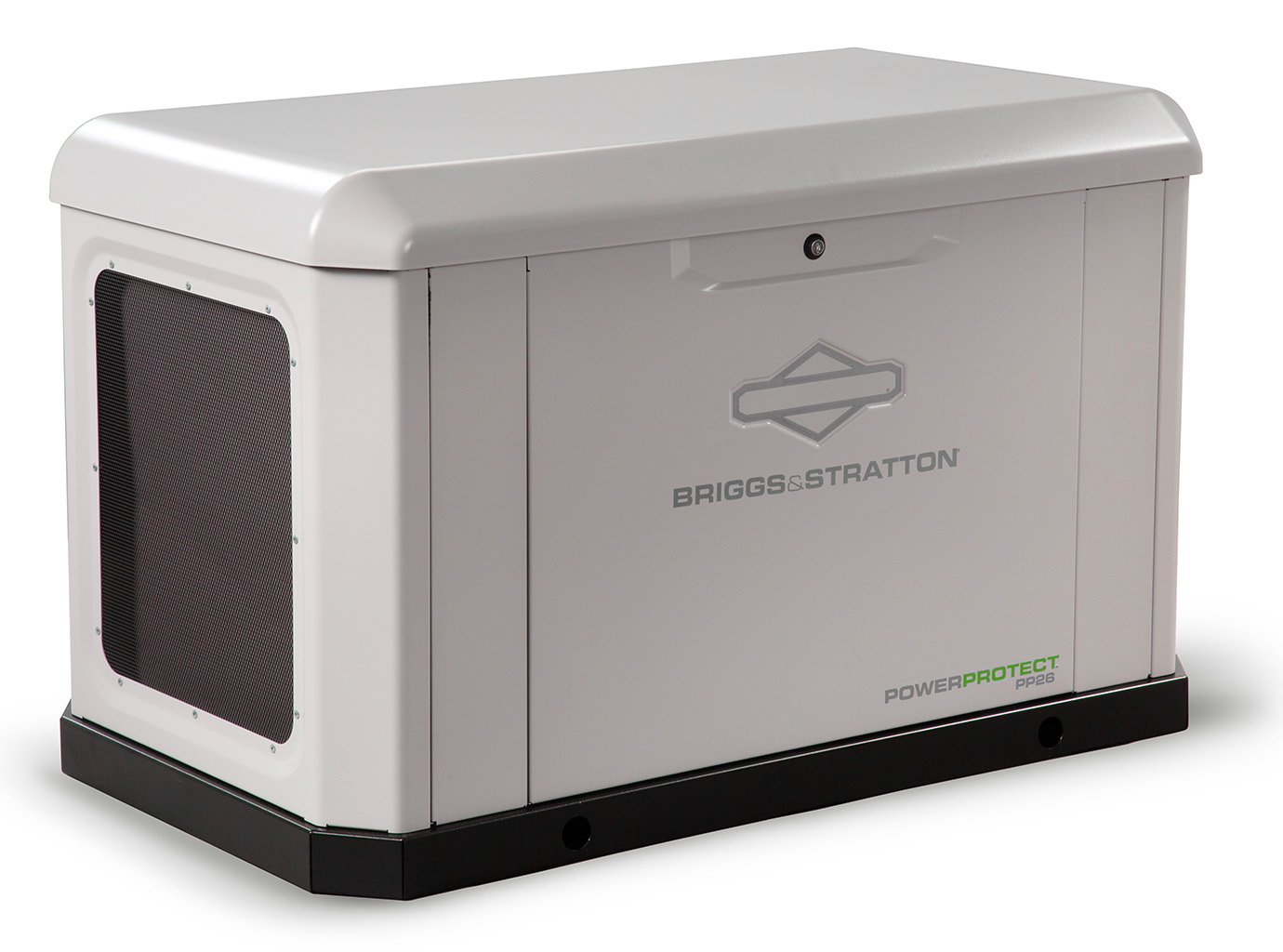
Regular maintenance is essential to ensure optimal functioning and longevity of a standby generator. Begin by checking the oil level in the unit, and replace the oil and filter according to the manufacturer's recommendations. Inspect the air filter often and replace it as necessary to maintain the best airflow. It is crucial to check the battery and clean any corrosion on terminals to ensure it starts reliably.
Perform load tests regularly to confirm the generator can handle its rated capacity. Furthermore, ensure that check this the exhaust system is free of obstructions and leaks. Keeping the generator clean and free from debris helps avoid overheating and problems.
Lastly, arrange for expert servicing yearly to fix any issues that might arise and conduct thorough checks. Following these maintenance tips will significantly prolong the life of a standby generator, providing peace of mind when the power goes out.
FAQs
What is the Average Cost of Standby Generators?
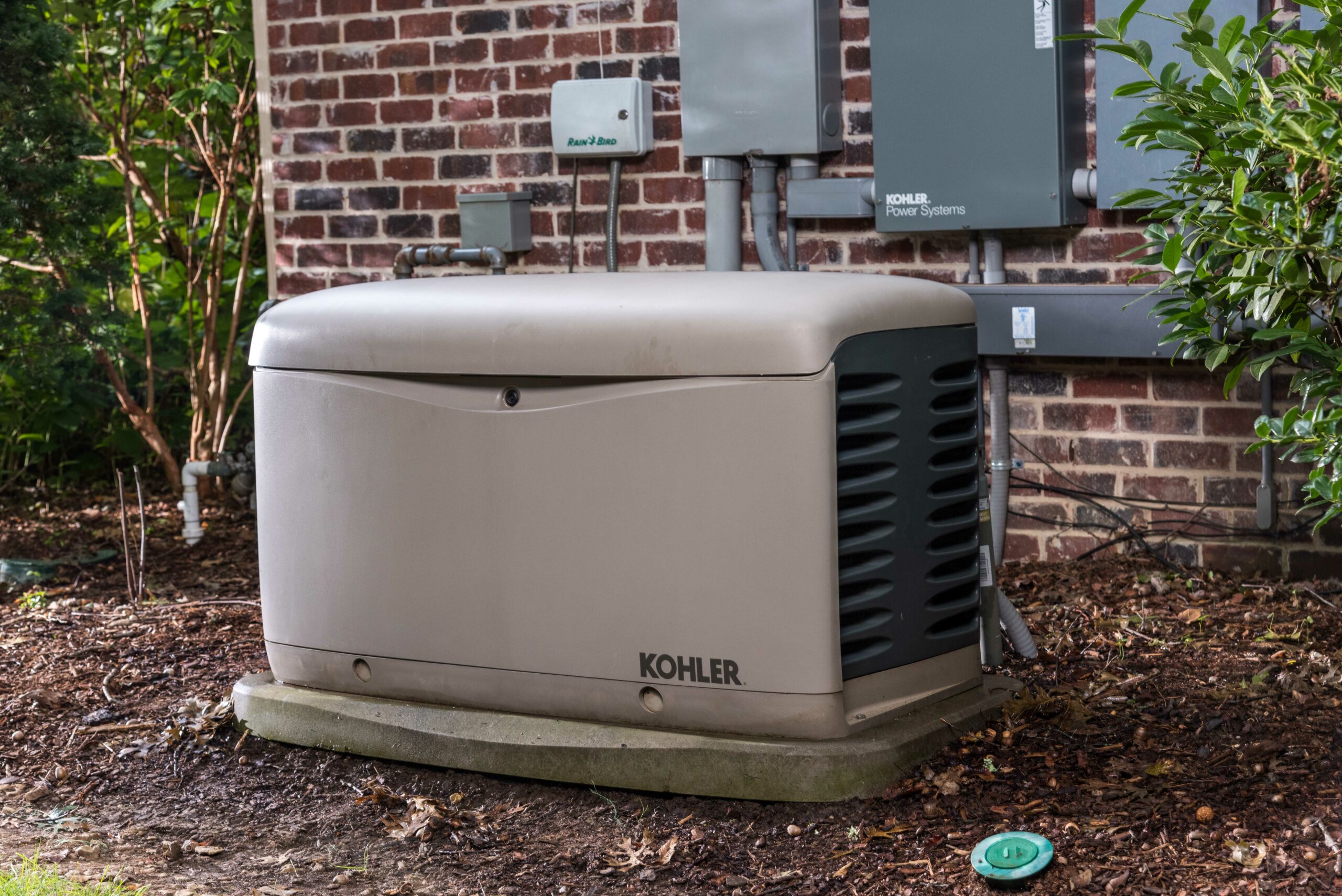
Standby generators typically cost from $2,000 to $15,000, influenced by factors including the brand, power output, and complexity of installation. Other expenditures might cover permits, fuel tanks, and maintenance, affecting the total investment needed.
Can I Install a Standby Generator Myself?
Self-installation of a backup generator is feasible, but you must have knowledge of electrical systems and local codes. Most professionals advise employing a specialist to ensure security, adherence to regulations, and optimal functioning of the generator installation.
What Energy Sources Do Standby Generators Use?
Standby generators typically use fuels such as gasoline, propane, natural gas, or diesel. Portland Standby Generators. The selection of energy source often depends on availability, cost, and specific energy needs, affecting the operation and efficiency of the generator
Do I Need Permits for Installation?
Yes, permits are often required for the installation of standby generators. Rules differ depending on the area, so it is crucial for contractors or homeowners to speak to the municipal government to verify conformance with all relevant codes and requirements.
What is the Maximum Continuous Runtime Continuously?
A standby generator can run continuously for varying durations, typically ranging from 24 to 48 hours, based on the load demands and fuel availability. Consistent servicing provides peak performance and longevity during prolonged periods of use.